
Tungsten carbide gauge flats, bushes & tubes.
Carbide India supplies the full range of tungsten carbide flats, bushes, extra-long tubes and bushes for air gauges to carbide limit-gauge makers — and specialises in all grades of slip gauges — with minimal grinding allowance and flexible batch quantities.
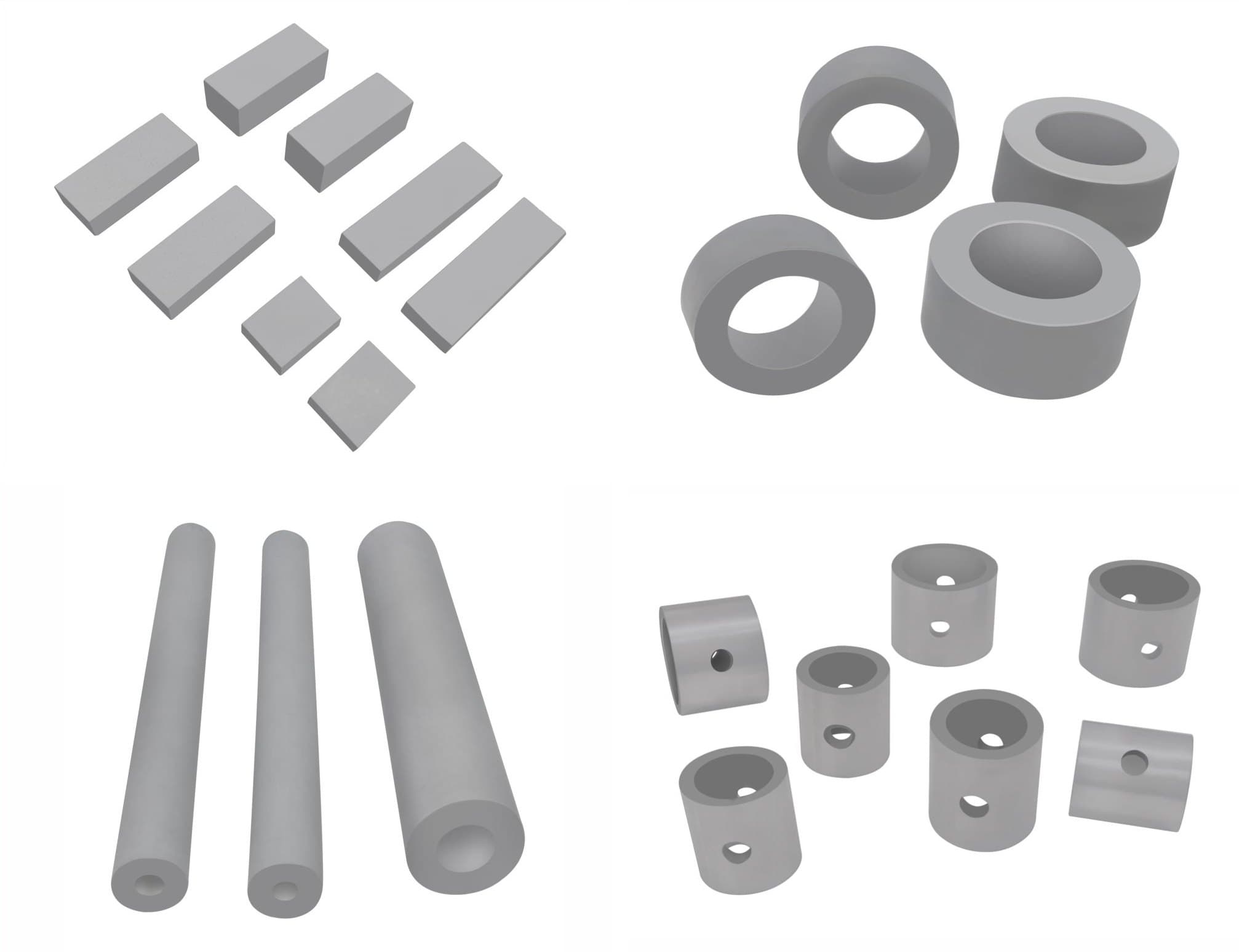
Flats · bushes · extra-long tubes · air-gauge bushes
- 15 days
- Standard products
- 2–3 wks
- Non-standard
- 04
- Component types
- Any batch
- Small or large
- Batch-coded
- Every component
01 — Components
The full range for carbide limit-gauge makers.
Standard and non-standard sizes, with the tooling already in place for both — and a minimum grinding allowance, so less of your time goes into stock removal.
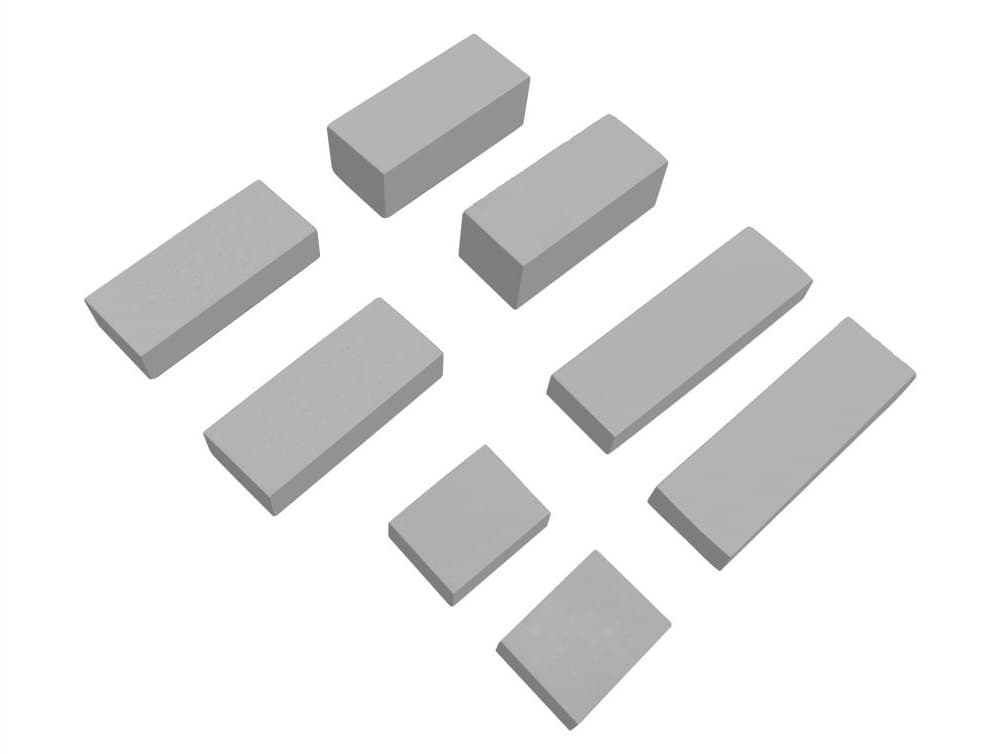
GA/01
Flats
Carbide flats for gauging faces and snap gauges.
Specify: Length × width × thickness
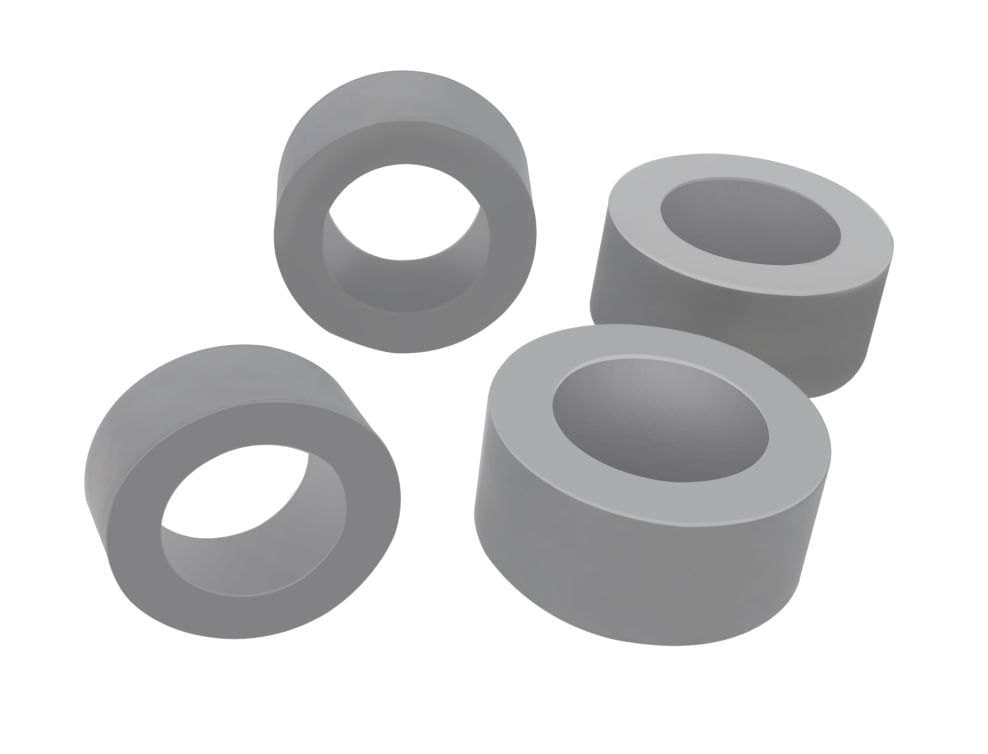
GA/02
Bushes
Carbide bushes for ring gauges and wear-resistant bores.
Specify: OD × ID × length
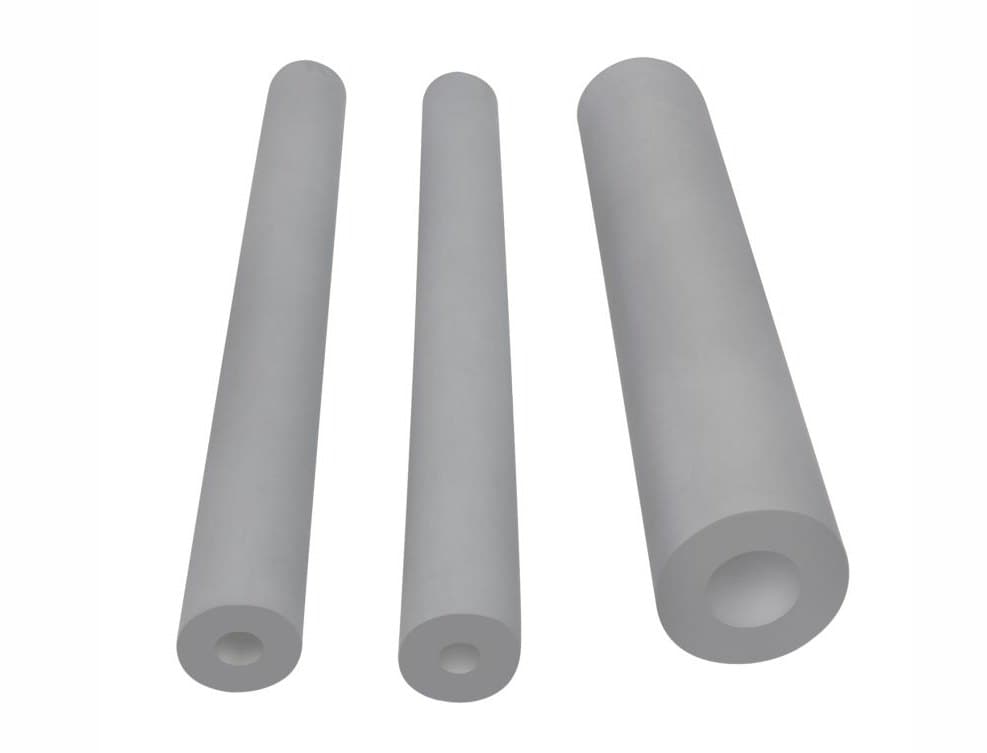
GA/03
Extra-long tubes
Long carbide tubes, sintered straight and close to size.
Specify: OD × ID × length
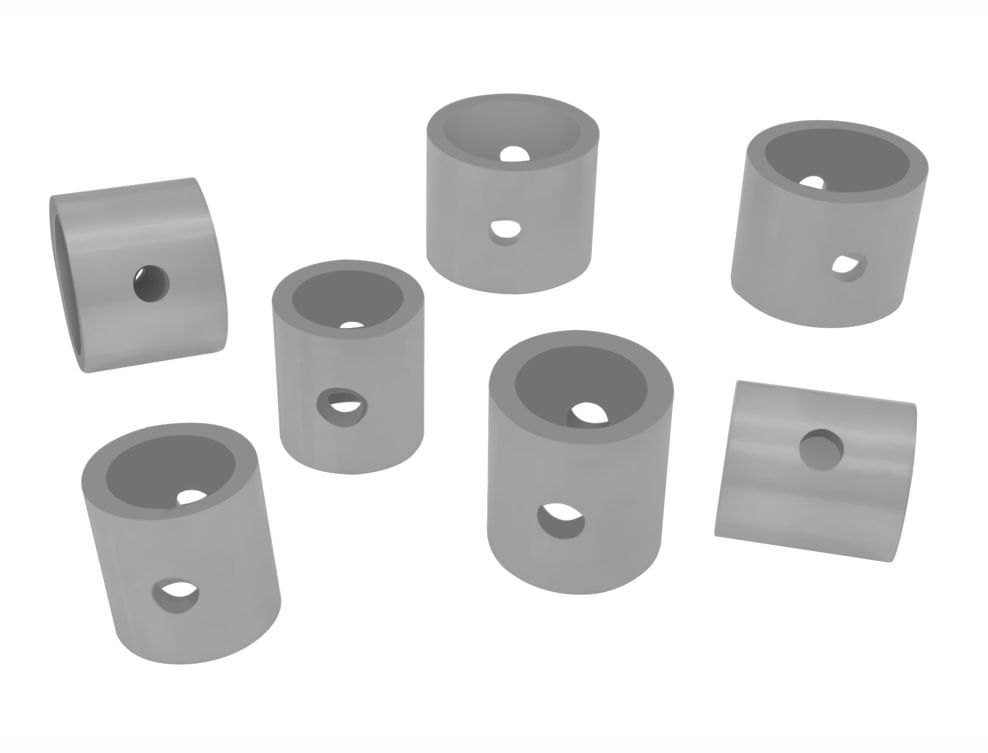
GA/04
Bushes for air gauges
Cross-drilled bushes for air-gauging heads and plugs.
Specify: OD × ID × length + jet holes
02 — Lead time & traceability
Fifteen days to your bench. A batch number for life.
Quick delivery because the tooling already exists; traceability because every component carries its batch from our furnace to your finished gauge.
Standard · 15 days
Non-standard · 2–3 weeks
From order to dispatch
Tooling in place
For standard and non-standard components.
Close sintering
Minimal grinding at your end.
Any batch size
Small and large orders accepted.
- 01Complete record of components supplied, by batch number
- 02Batch-number sticker on every component
- 03You record the batch on finished jobs and monitor performance
- 04Your performance feedback comes back into production
03 — Slip gauges
Every grade of slip gauge, from lab to shop floor.
We specialise in all grades of slip gauges. The ISO 3650 grades, and where each one is used:
| Grade | Class | Typical use |
|---|---|---|
| Grade K | Calibration grade | Reference standard in calibration laboratories — used to calibrate other gauge blocks. |
| Grade 0 | Inspection grade | Testing measuring instruments and setting high-precision gauges. |
| Grade 1 | Inspection / workshop | Checking gauges, and as working dimensions in inspection. |
| Grade 2 | Workshop grade | Setting and working dimensions on the production floor. |
Grade descriptions from ISO 3650 practice as published by gauge-block makers. Tell us the grade and sizes you need.
04 — Why carbide
A gauge that stays true for longer.
What gauge makers report when they move wear faces from steel to tungsten carbide.
5–30×
Longer service life than steel
Gauge makers report carbide gauges outlasting steel ones by five to ten times, and up to twenty to thirty times — depending on gauge type and the work being checked.
½
The thermal expansion of steel
Carbide expands about half as much as steel with temperature, so a carbide gauge drifts less as the shop warms through the day.
Minimal
Grinding allowance
Our components are sintered to close tolerances, so you grind less stock to reach final size — saving wheel wear and machine time.
05 — Questions
Asked by gauge makers.
Lead times, batch sizes, grinding allowance, grades and traceability.
Q/01What is your lead time for carbide gauge components?
15 days for standard products and 2–3 weeks for non-standard products.
Q/02Is there a minimum order quantity?
No fixed minimum — we accept small and large batches, and have tooling for both standard and non-standard components.
Q/03How much grinding allowance do your blanks have?
We produce components with close sintering tolerances, so the grinding needed at the customer's end is minimal.
Q/04Which grade do you recommend for gauges?
A 6% cobalt grade is our recommendation for gauge applications — it gives the wear resistance gauge faces need. Tell us the gauge type and we'll confirm the grade.
Q/05How do you maintain traceability?
Every component carries a batch-number sticker and we keep a complete record of components supplied by batch. Customers record batch numbers on finished jobs and feed performance back to us — a continuous improvement cycle.
Q/06How much longer do carbide gauges last than steel ones?
Gauge makers report carbide gauges outlasting steel by five to ten times, and up to twenty to thirty times, depending on the gauge type and the material being checked. Carbide also expands about half as much as steel with temperature.
Q/07What are the grades of slip gauges?
ISO 3650 defines four grades: K for calibration laboratories, 0 for inspecting instruments and setting high-precision gauges, 1 for checking gauges and inspection work, and 2 for setting and working dimensions in production. We supply all grades of slip gauges.
RFQ — 24 h engineering response
Send us your
hardest problem.
Share a drawing, a failing part, or a duty cycle. Our application engineers reply within 24 hours with DFM feedback, a grade recommendation, and a technical quote.
Trusted by Bosch · HAL · Atlas Copco · SECO · Jindal Stainless and more